So Ends The Glorious World - Selou Sowe
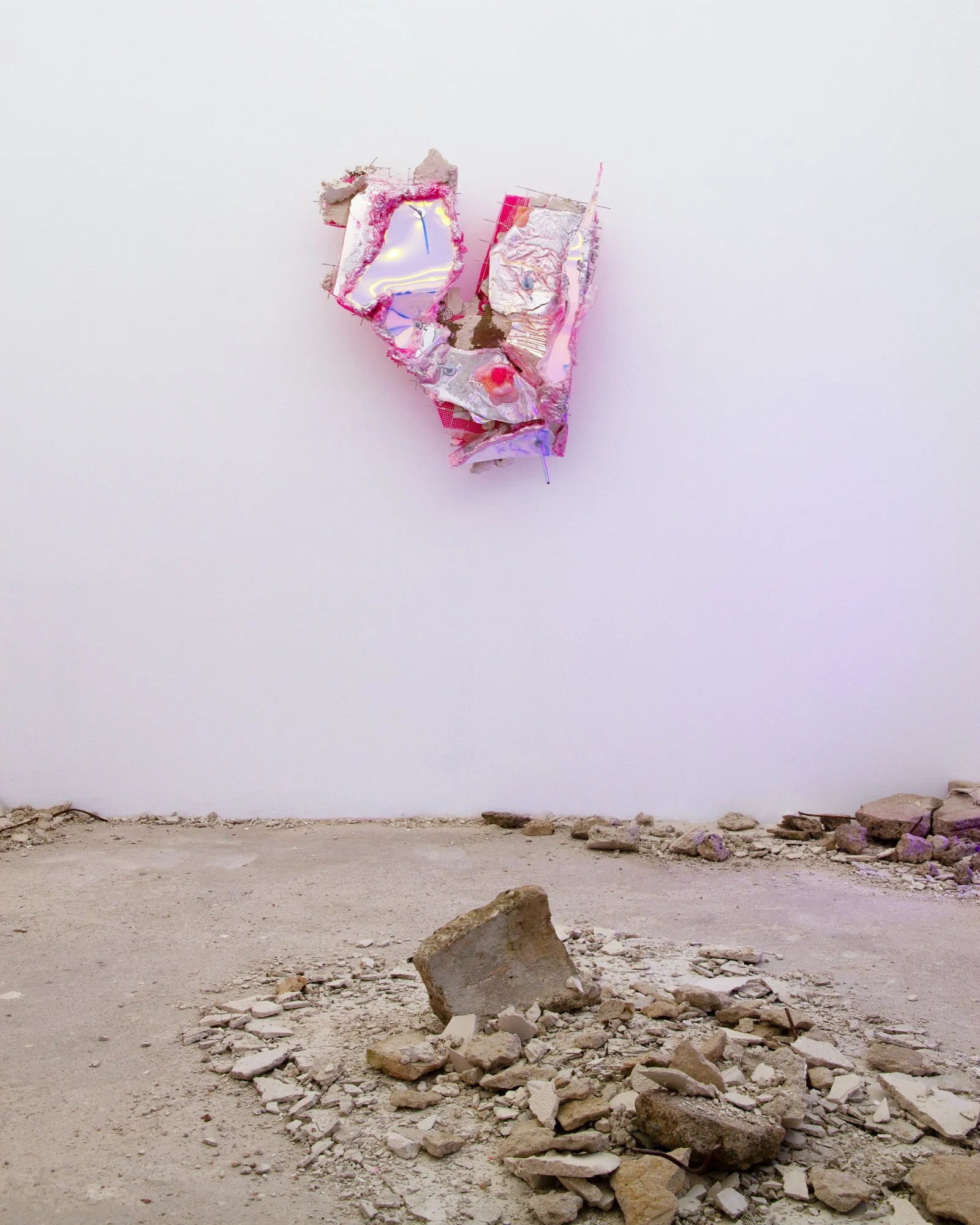
The title So Ends the Glorious World takes its name from the Latin phrase Sic transit gloria mundi: “thus passes worldly glory,” once spoken during papal coronation ceremonies as a reminder of the transitory nature of life and human ambition.
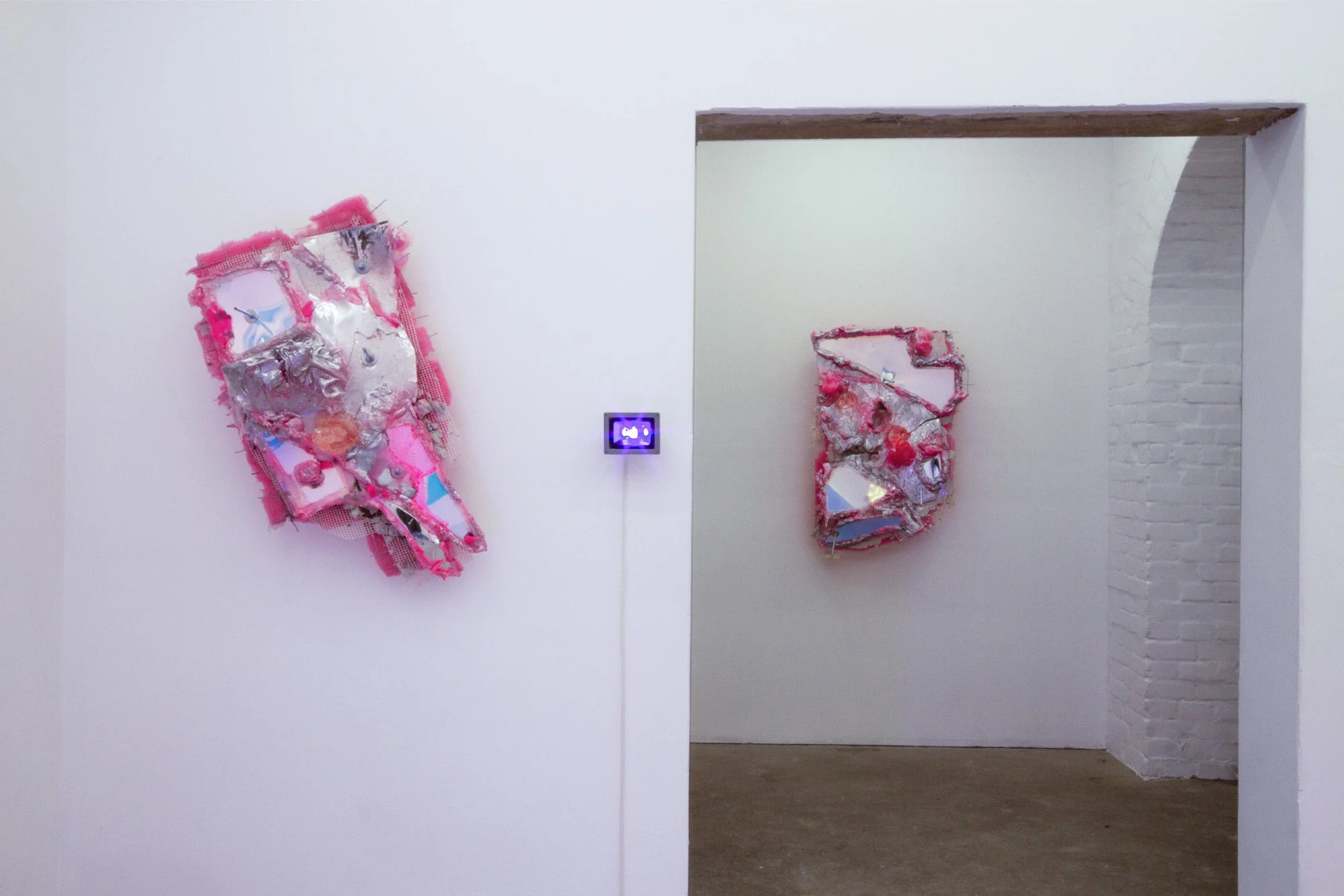
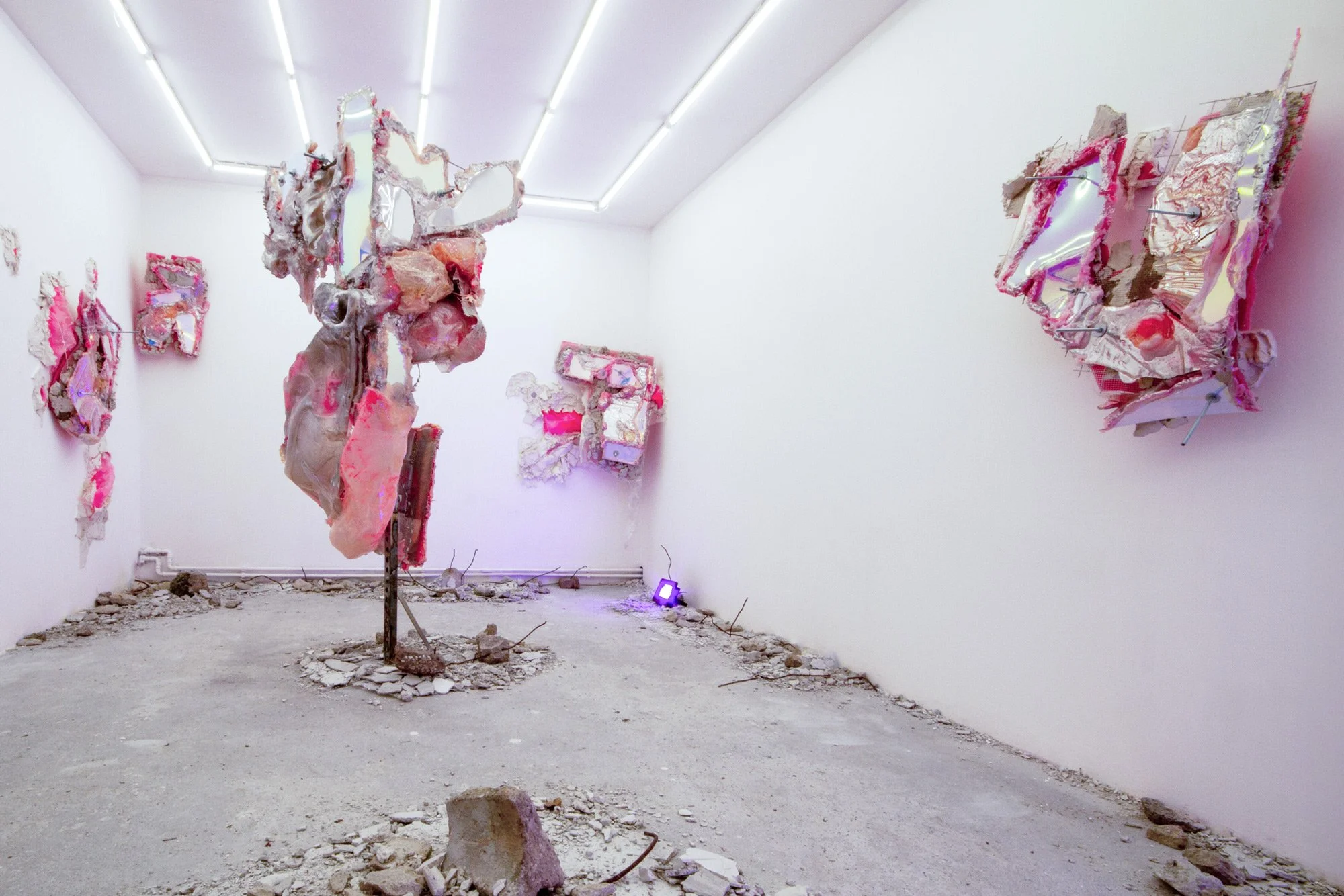
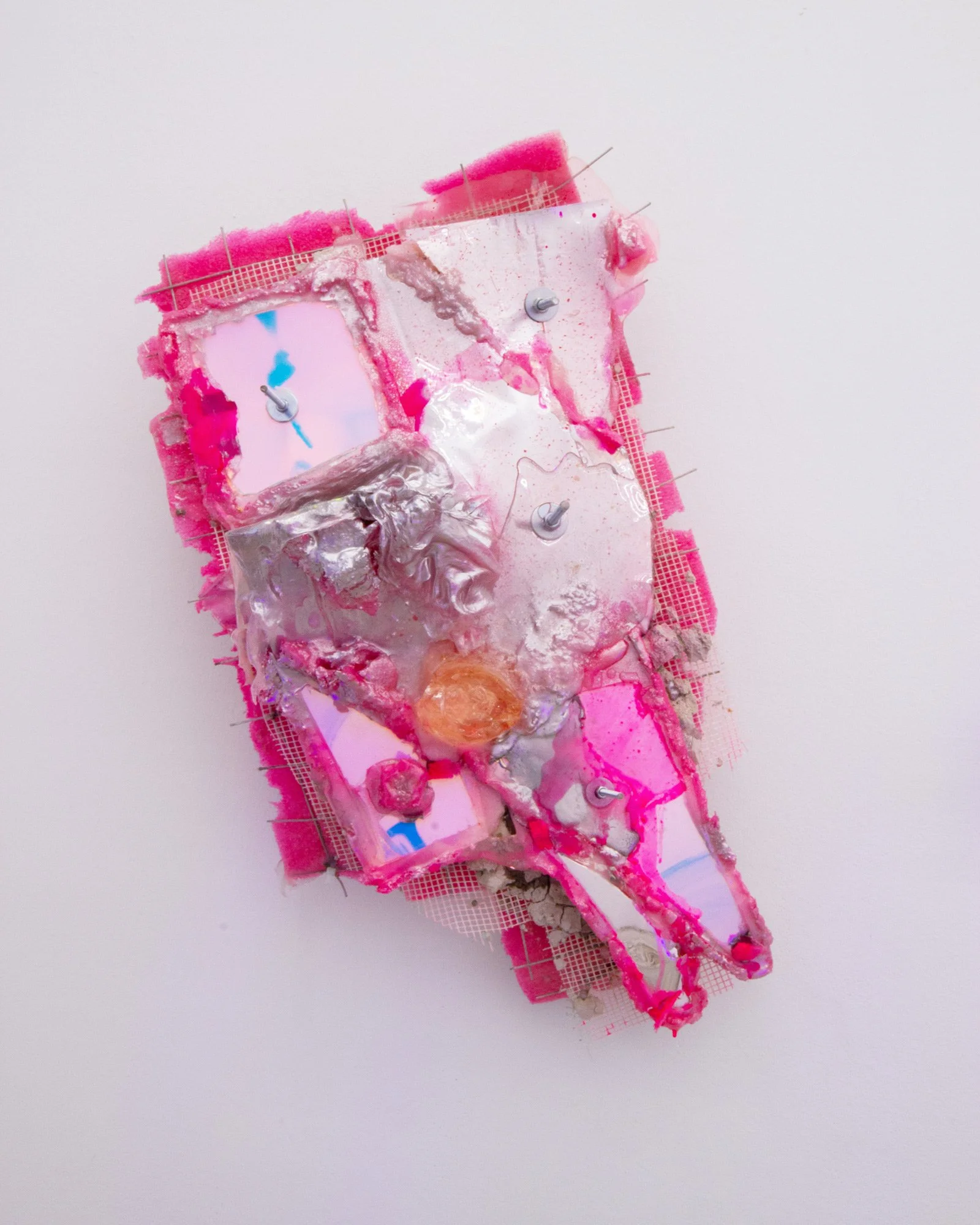
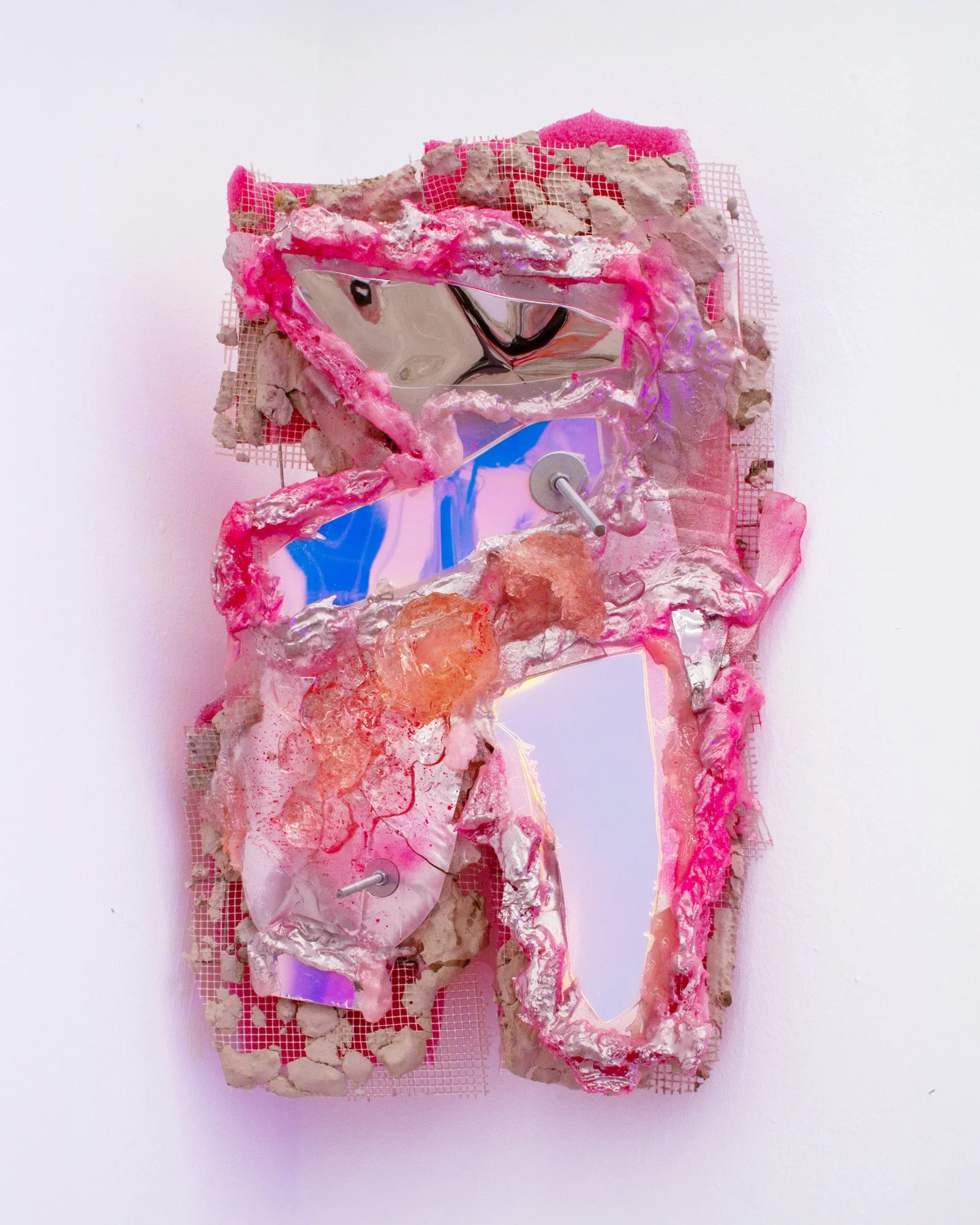
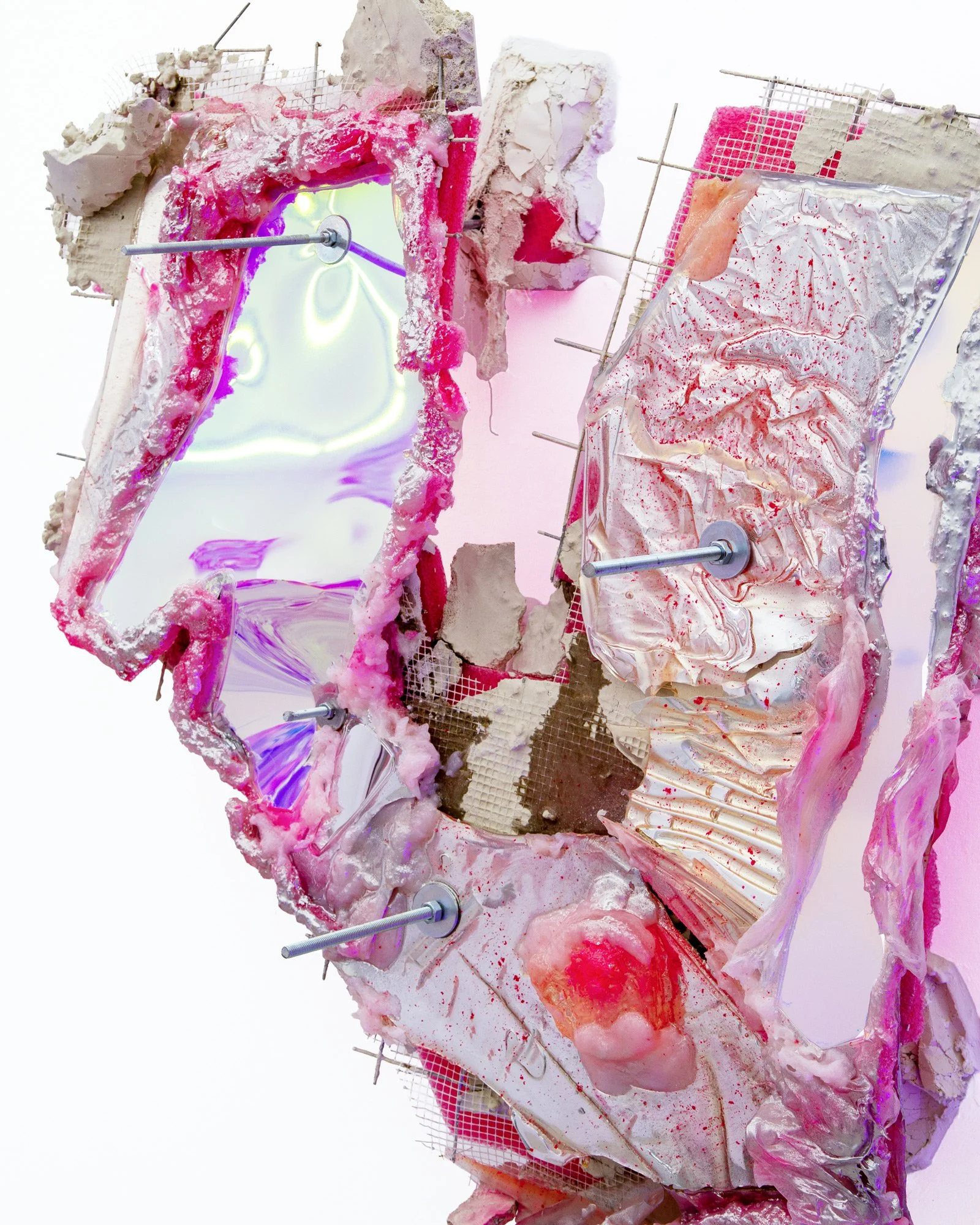
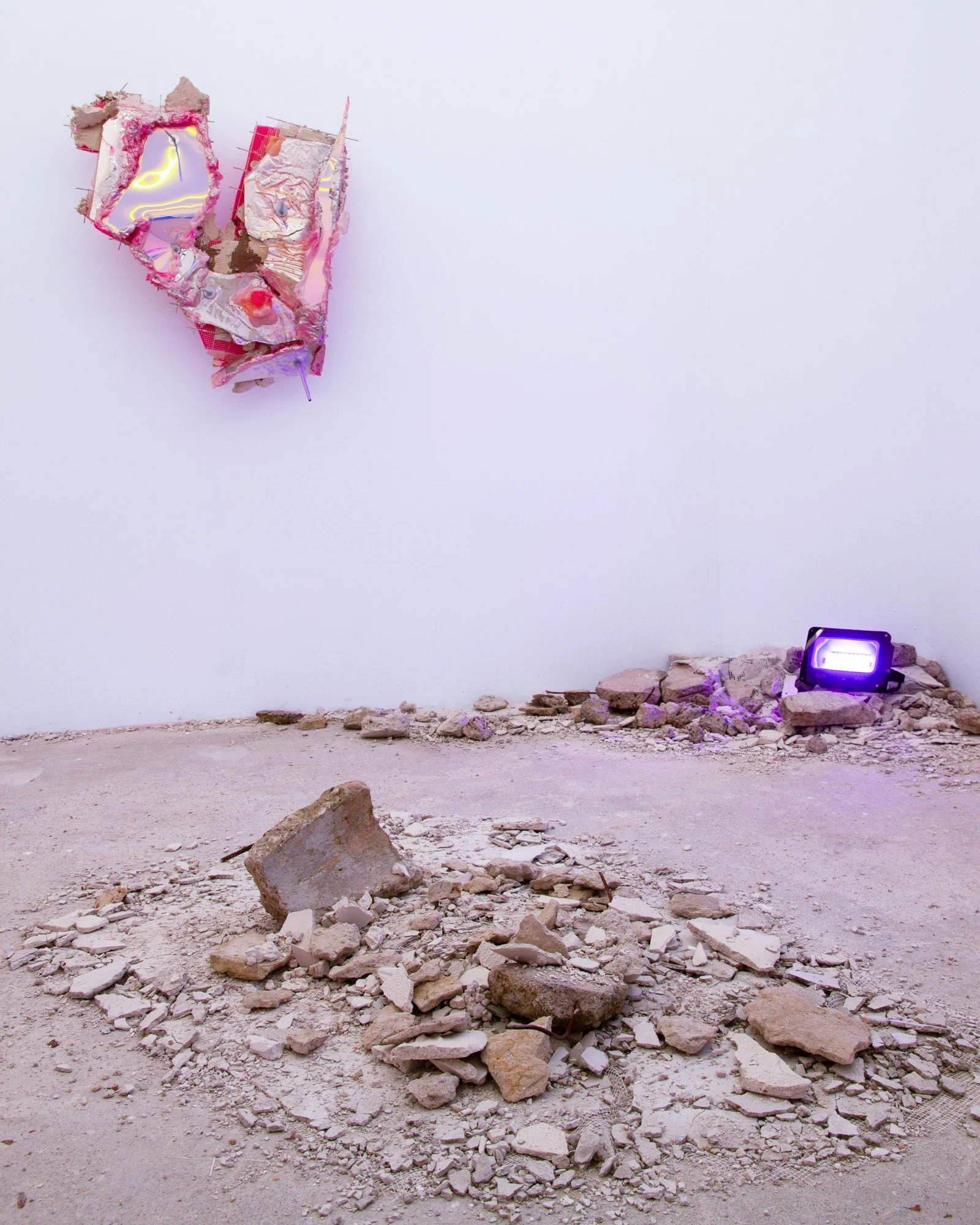
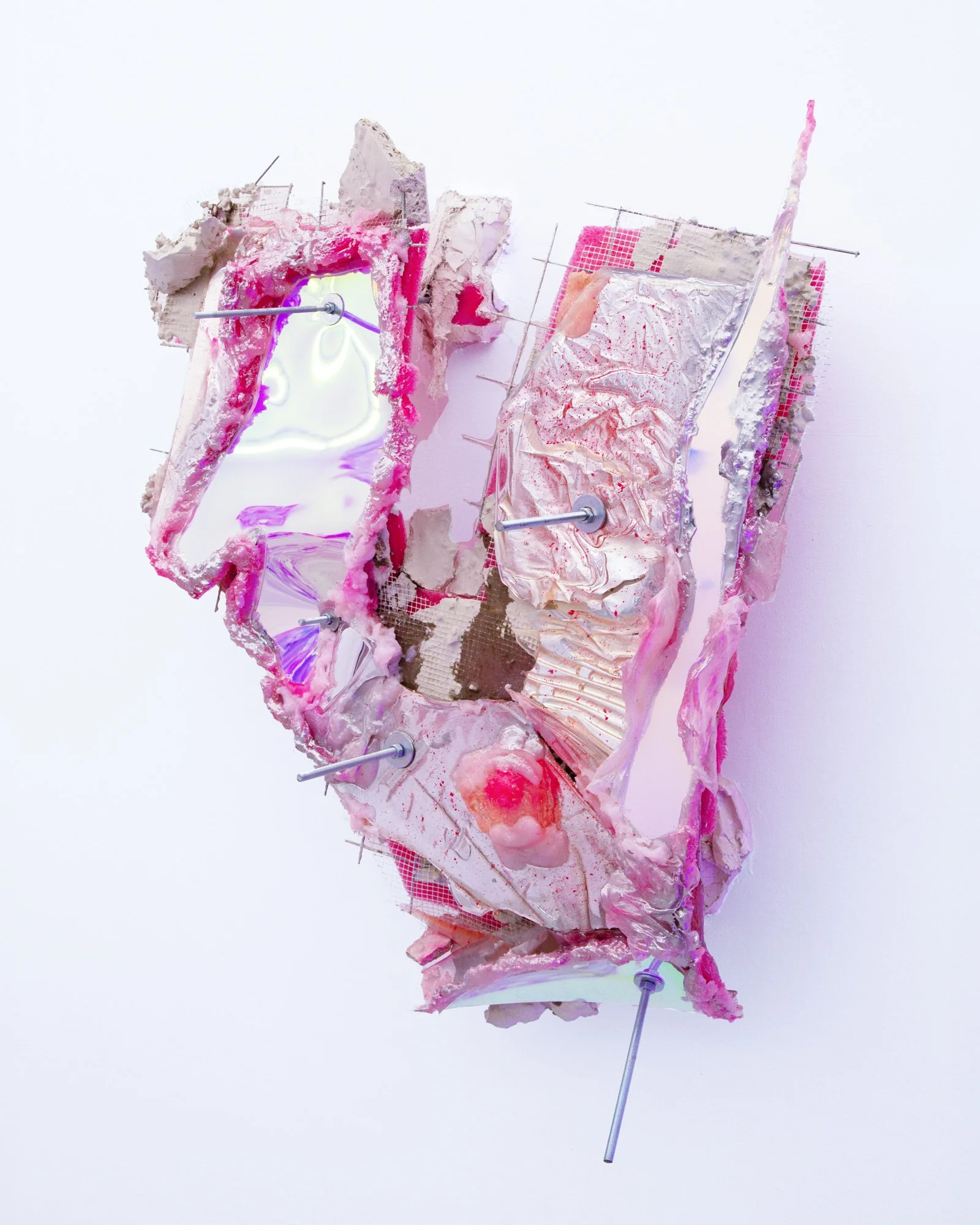
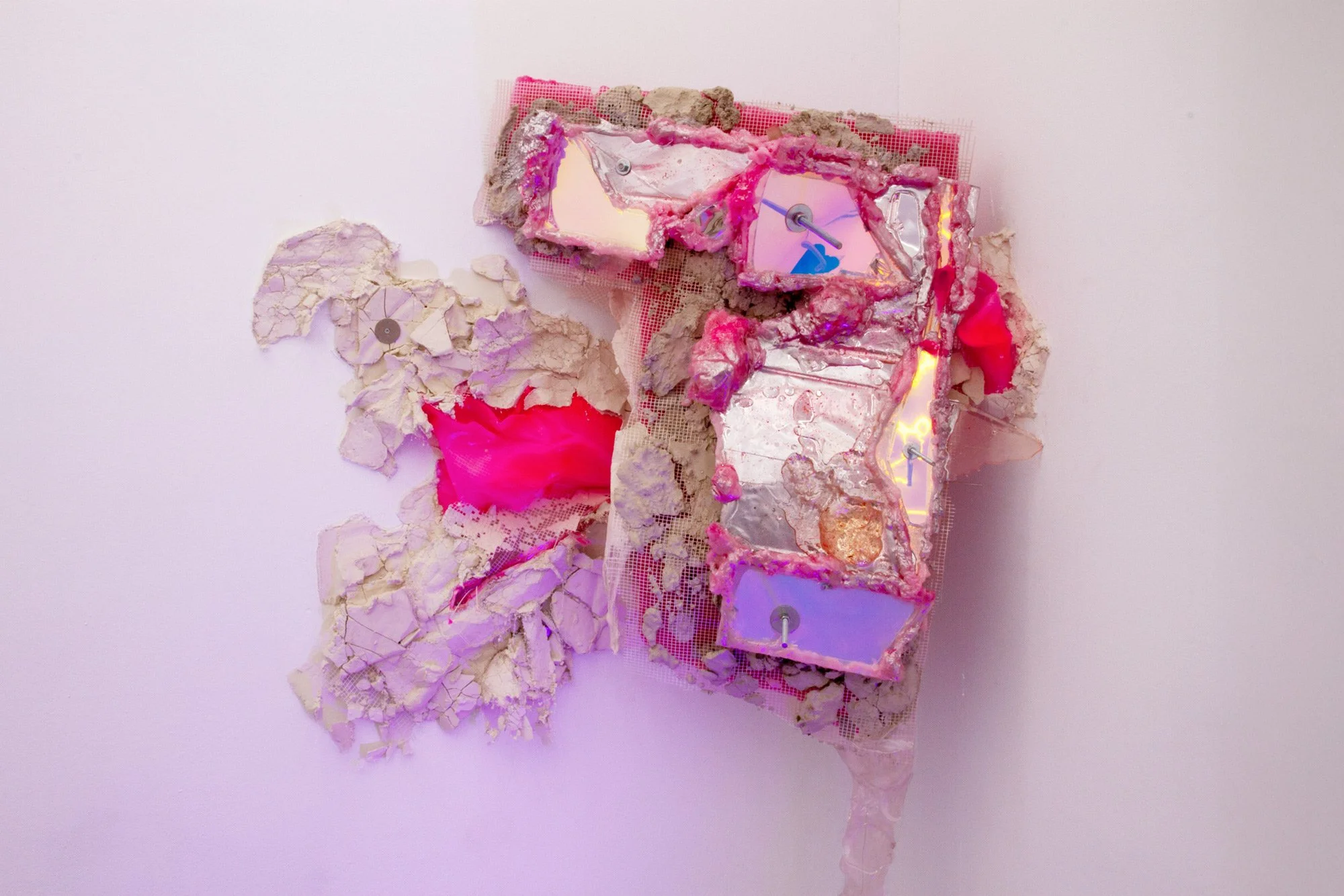
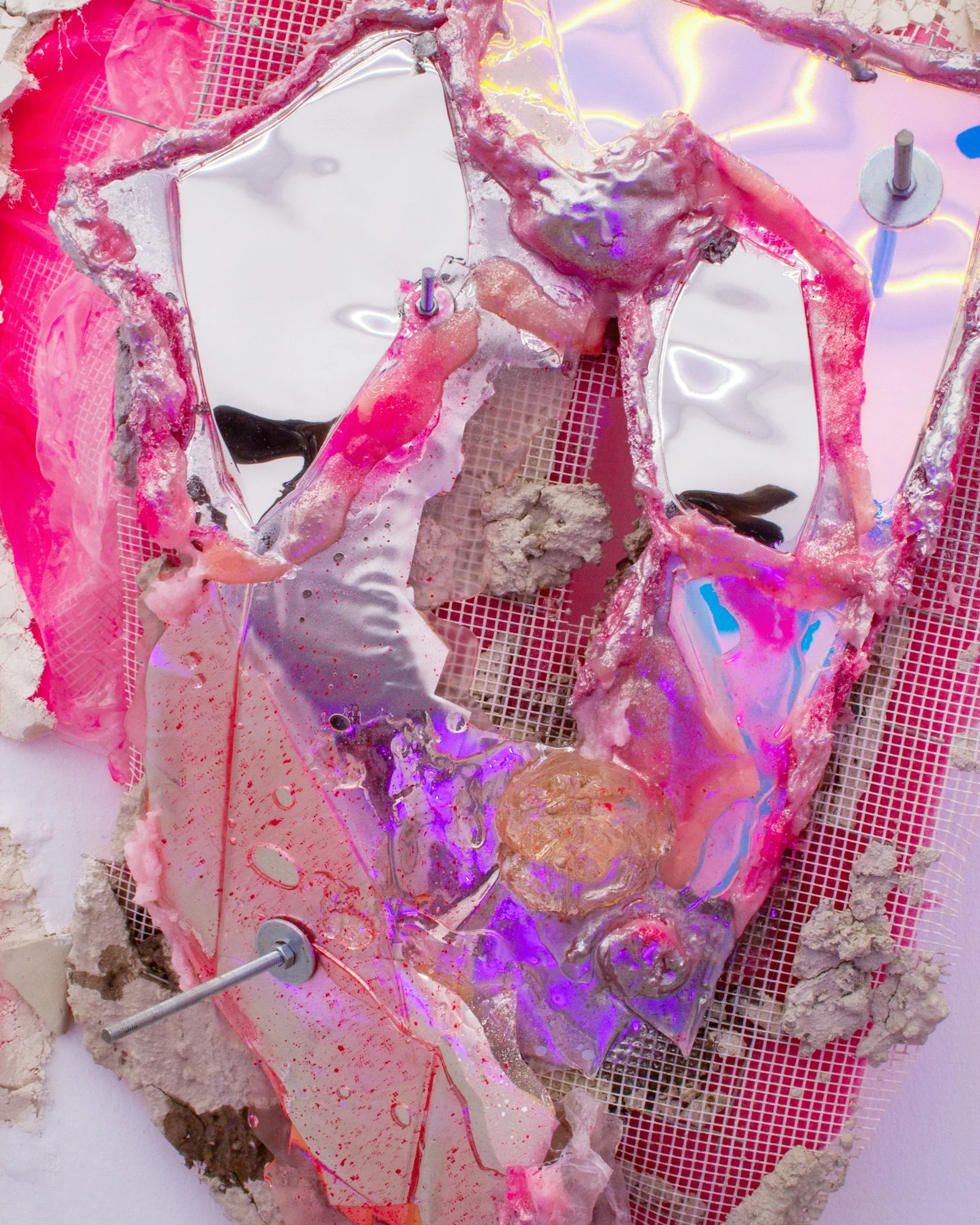
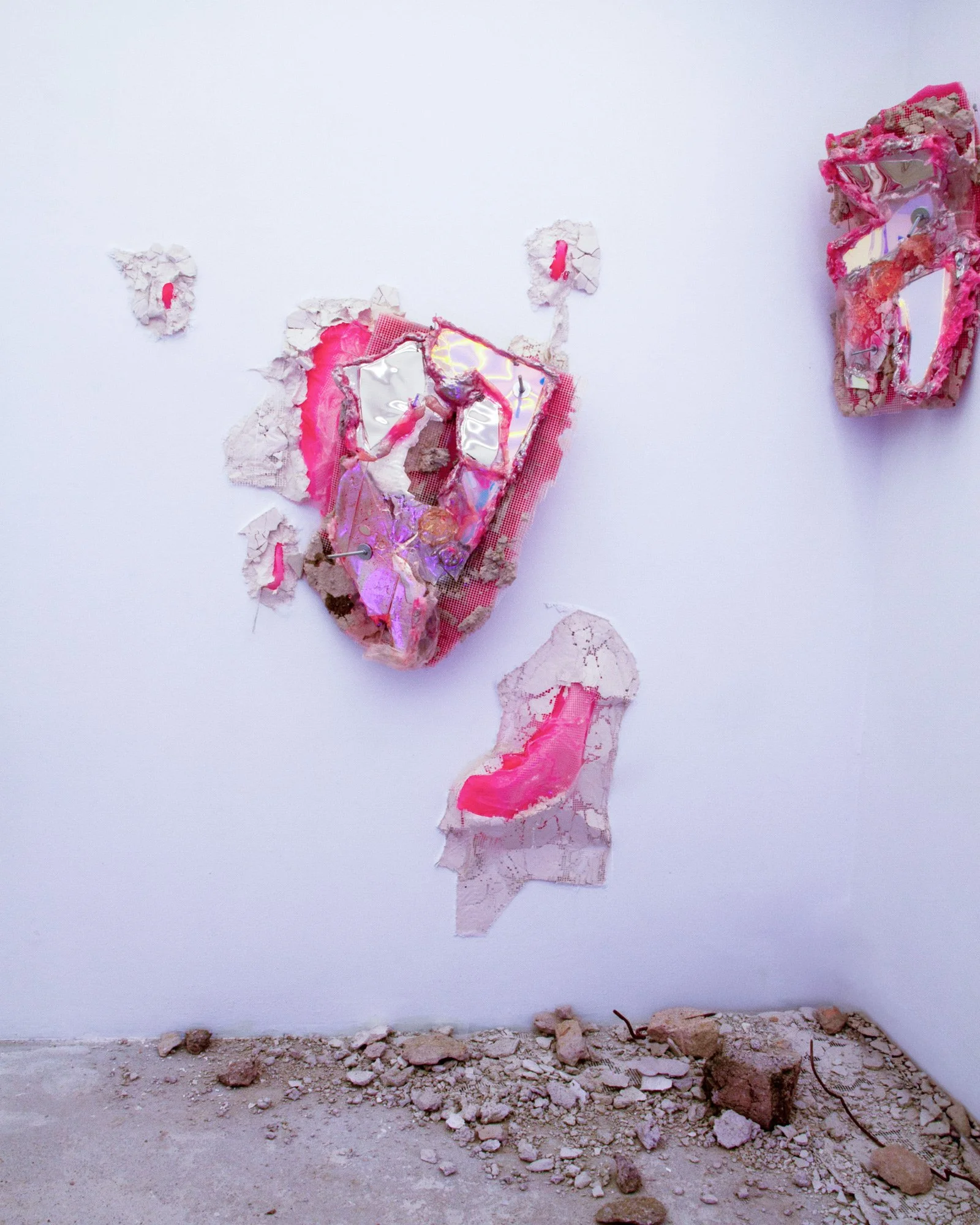
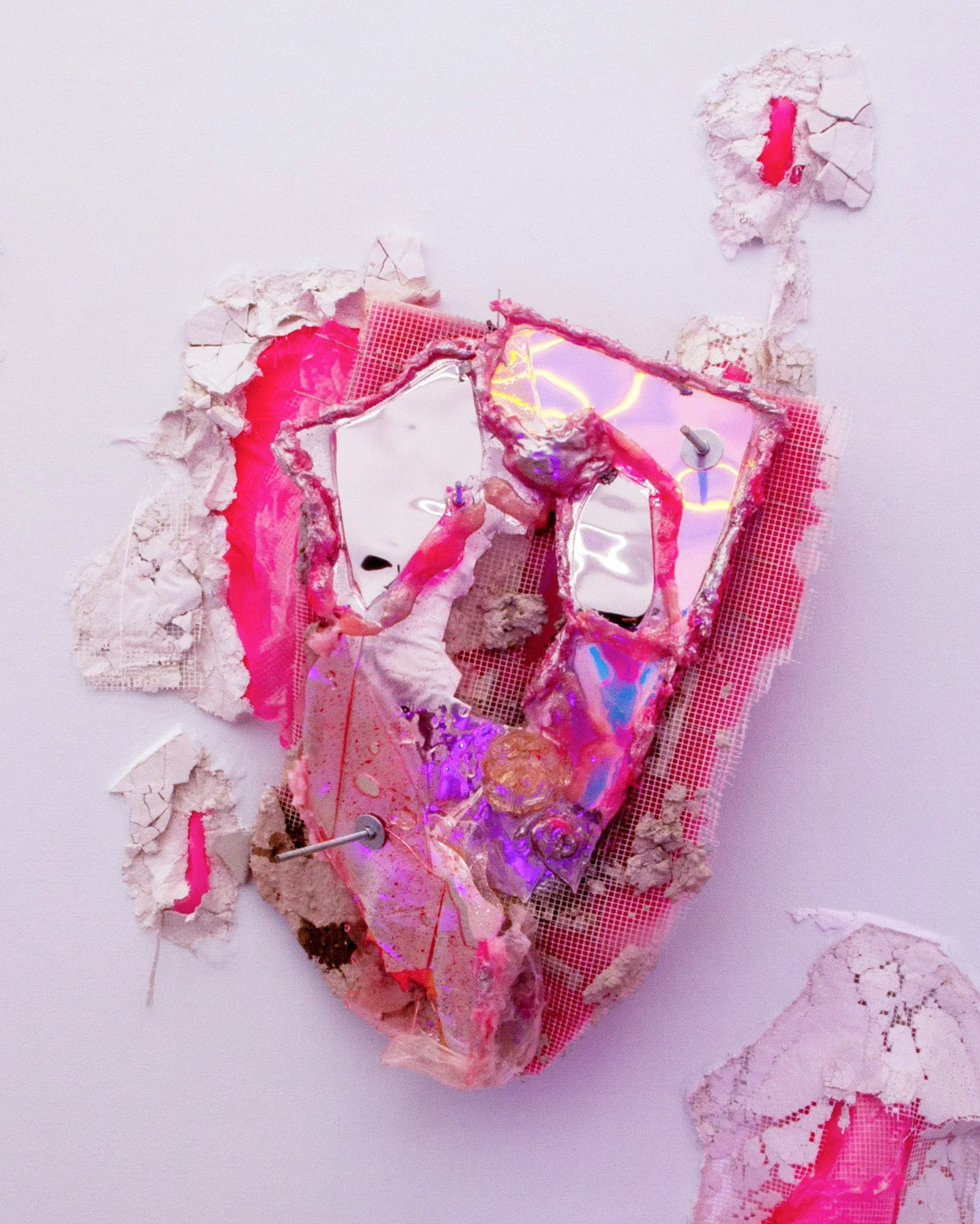
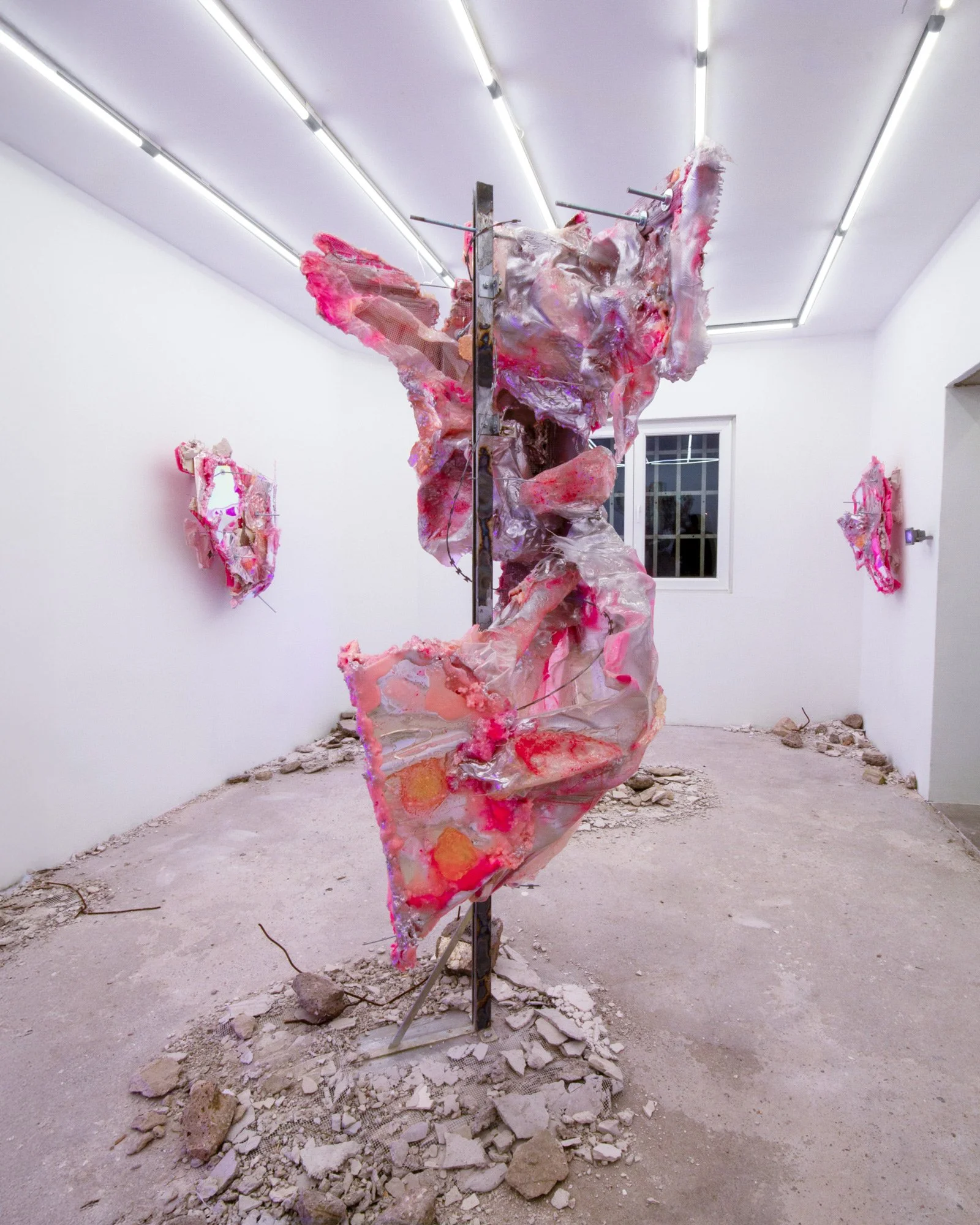
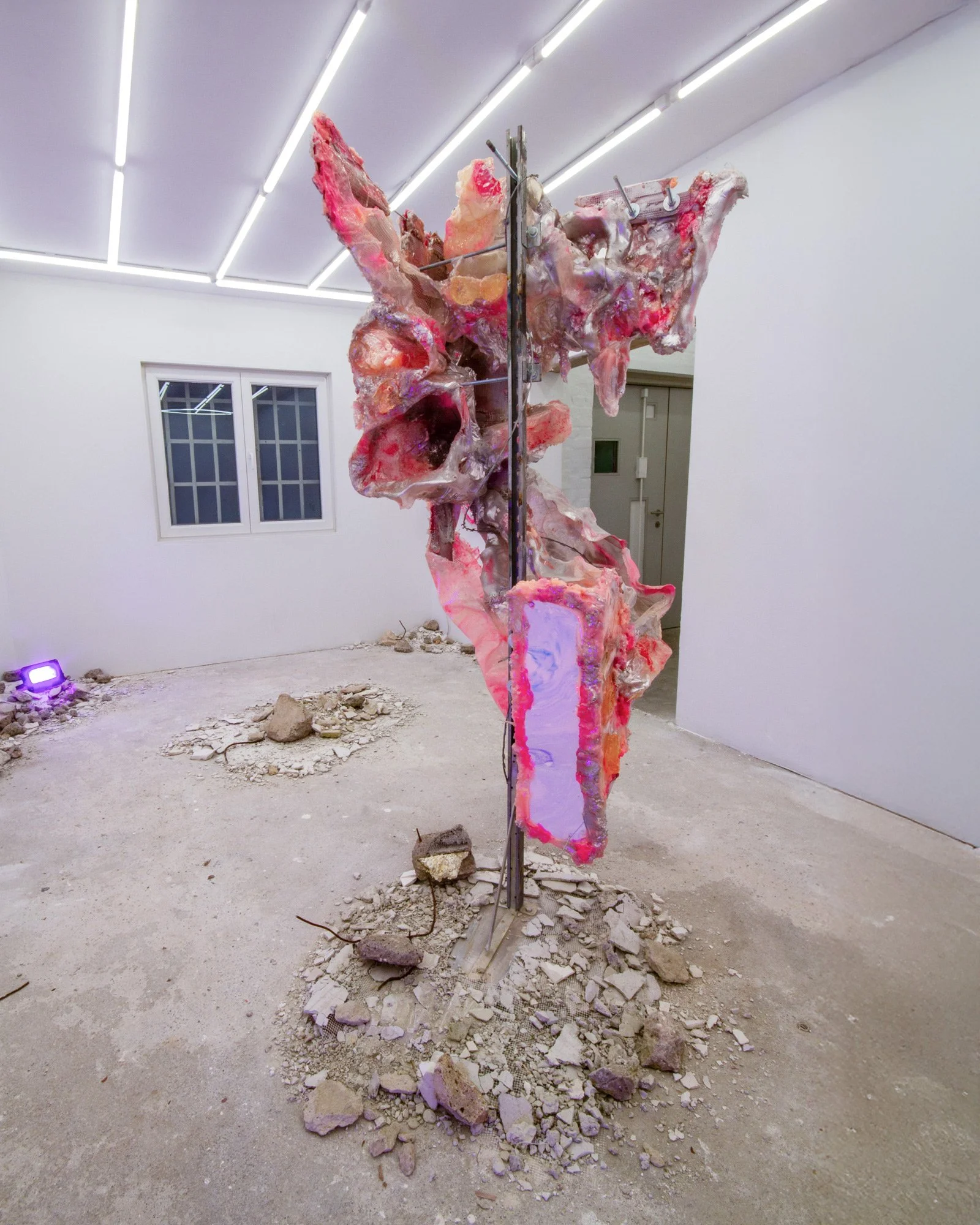
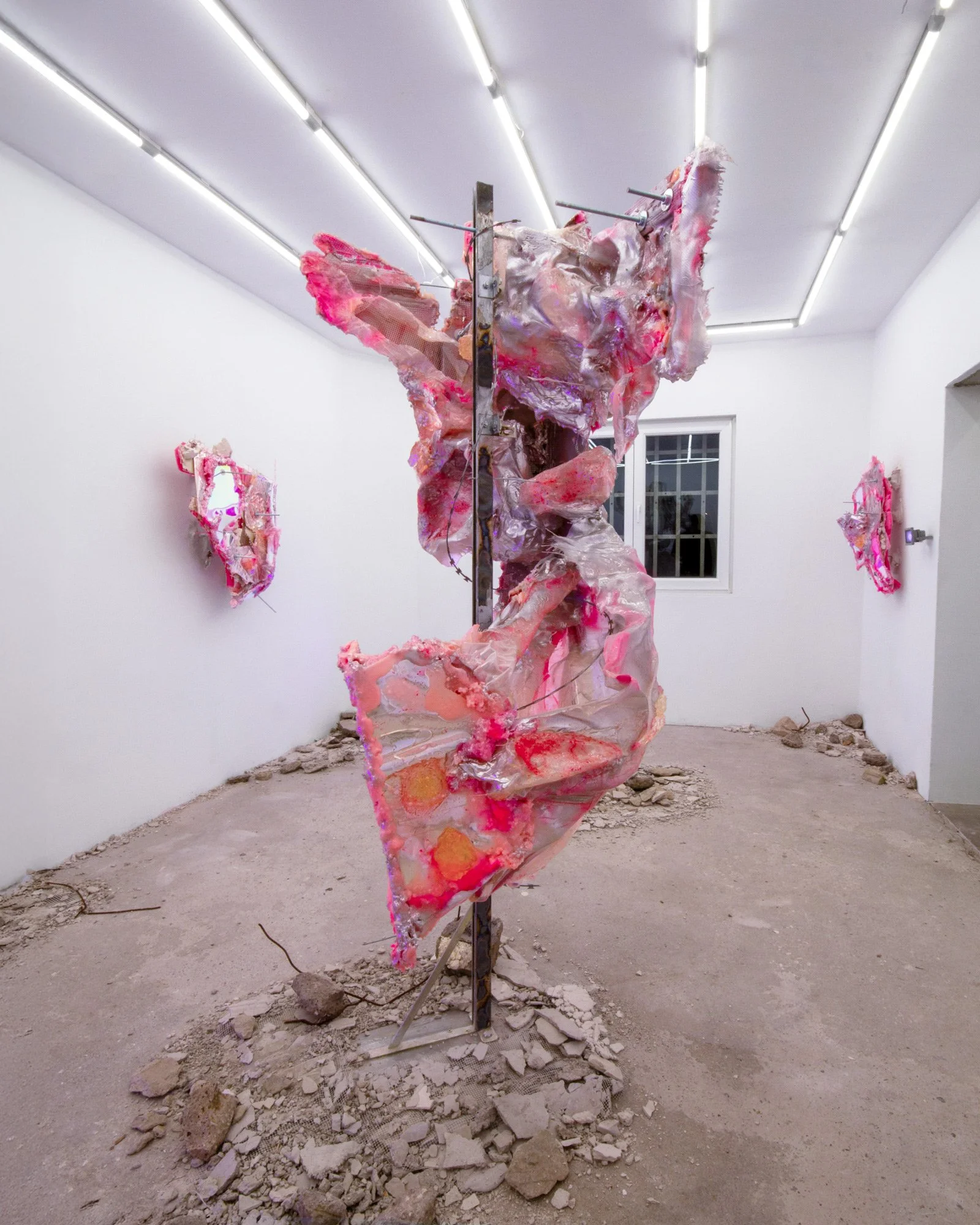
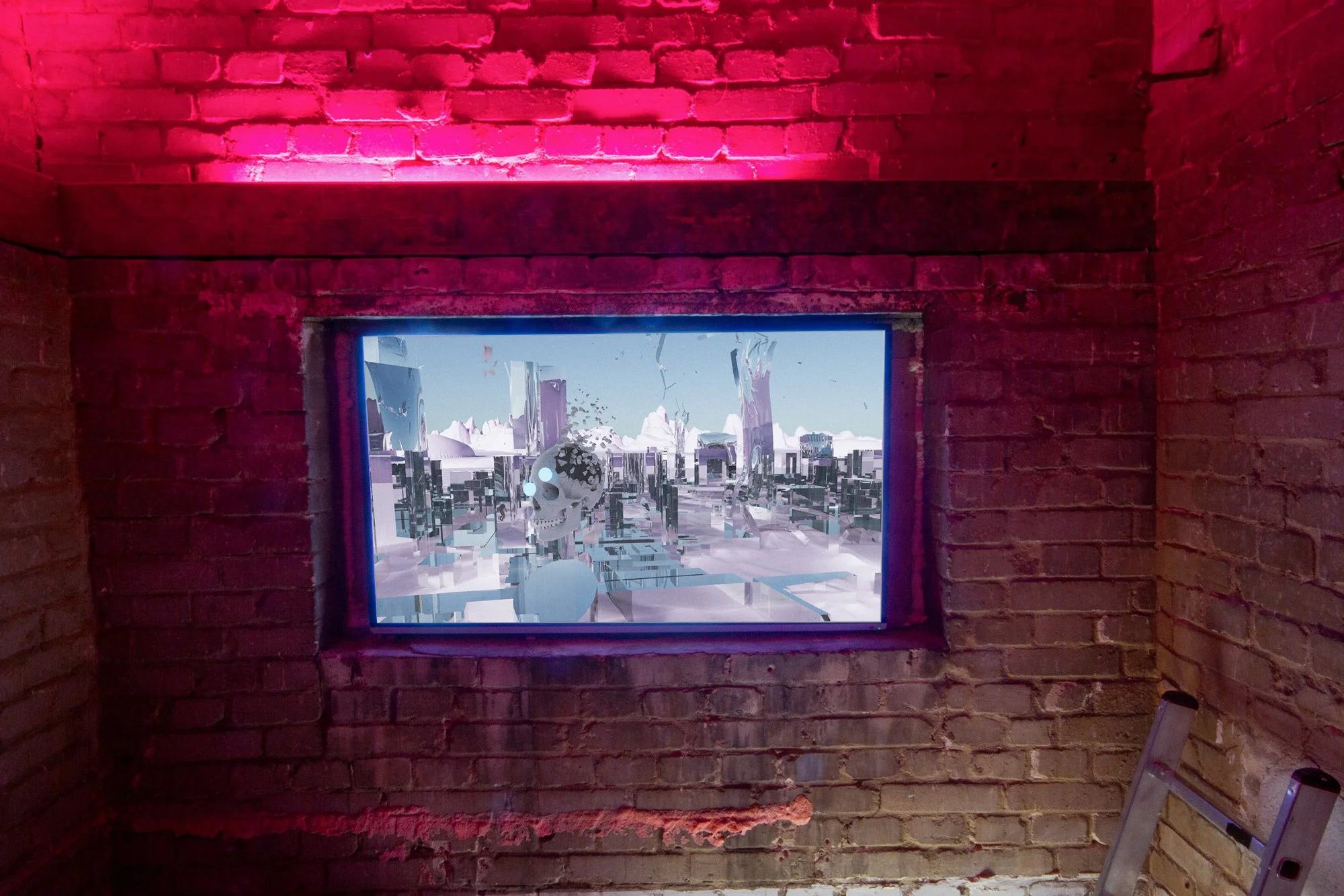
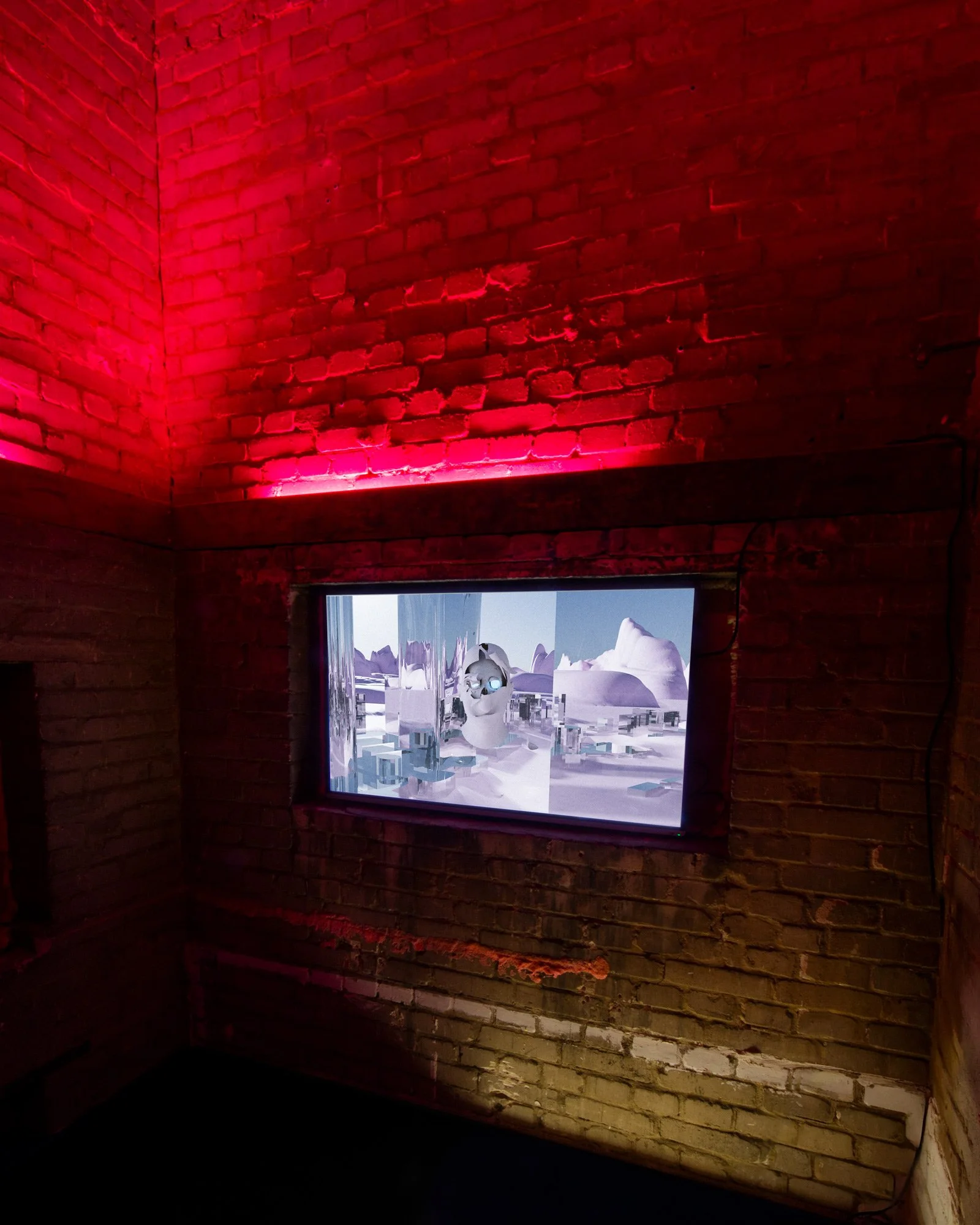
This reflection on impermanence is the basis of Selou Sowe’s new installation at Number 1 Main Road. The work draws on the artist’s experience of traveling through the vast high deserts of the Andes, where he encountered monumental rock formations shaped by millennia of erosion and the contrasting rigid geometry of urban business towers of the city center of Buenos Aires.
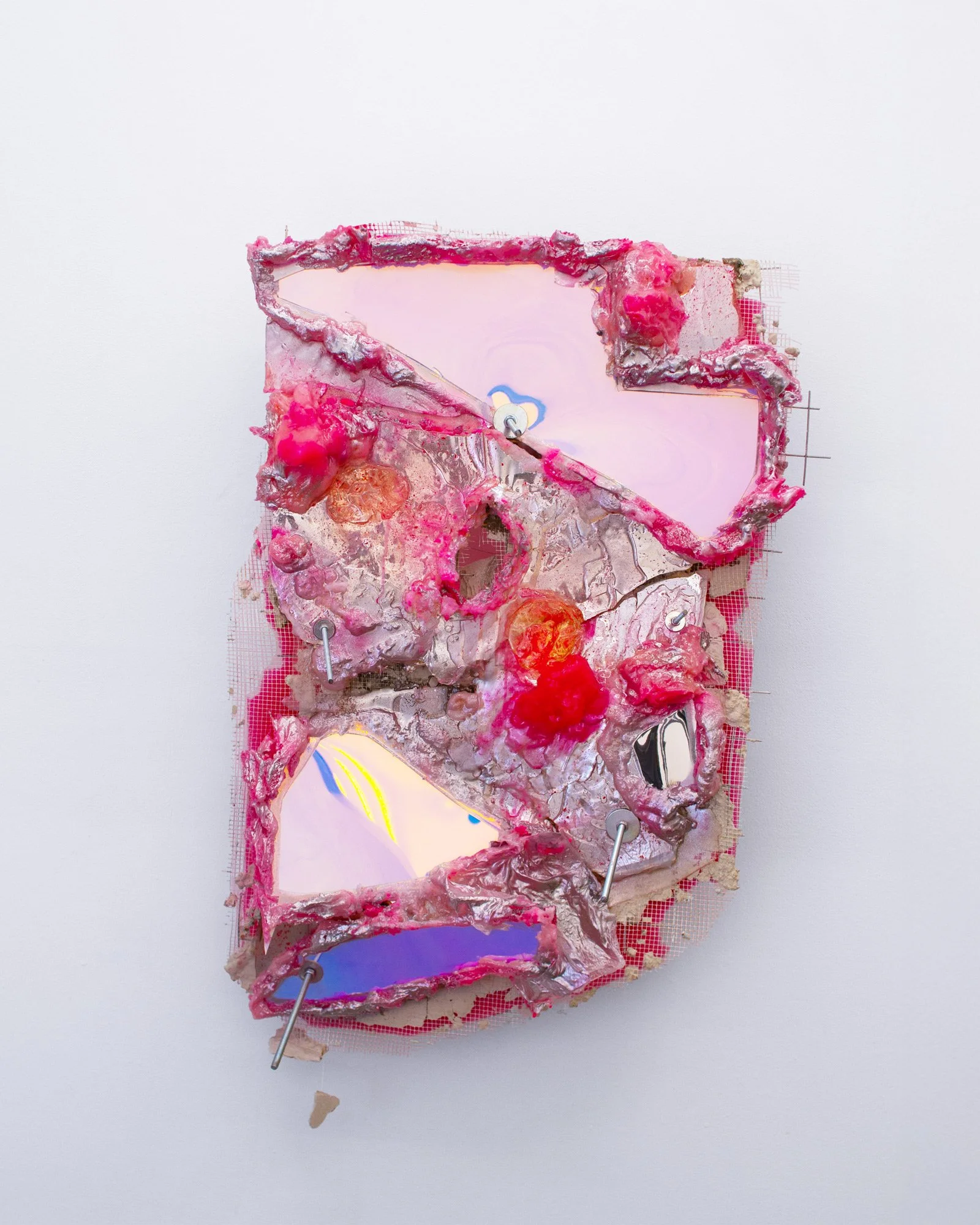
Sowe’s installation explores the unpredictable organic complexity of natural systems and the constructed rationality of technocratic architecture.
The contrast between the irregular, time-sculpted surfaces of the stone and the mirrored, rectilinear façades of skyscrapers becomes a metaphor for the attempt of supremacist political structures to separate themselves from nature, and to impose dominance over both the natural world and other human beings. The underlying ideology of these systems is rooted in historical misinterpretations of religious texts and colonial hierarchies. Motivated by primal fears of insignificance, they attempt to transform the experience of impotence into fantasies of control and omnipotence.
Since complex systems are extremely hard to even partially predict and control, these structures must find ways to make such systems less complex so that unexpected consequences from interactions between the constituent parts become less likely and the illusion of mastery can be maintained.
In his essay Dead Zones of the Imagination, anthropologist David Graeber described bureaucracy as “an area of violent simplification,” where living realities are flattened into measurable forms. The same logic animates the ideological systems Sowe examines: the will to reduce, to predict, to make life calculable.
According to these criteria, these systems establish an authority over what is deemed beautiful and right, and demonize or stigmatize anyone and anything that does not fit into this schema.
Yet, as Sowe’s installation suggests, such suppression inevitably fails. From destruction and restriction, new forms of life and meaning emerge. In this cycle of control and collapse, So Ends the Glorious World contemplates not only the decline of these rigid systems but also the possibility of emergence and renewal through the persistence of life’s inherent complexity.